STELLAASTROLOGY

Tarot · टैरो मार्गदर्शन

A little clarity, within reach

Pause, choose a card, and find a fresh perspective on the question you are holding.

Tarot illustration inspired by Indian celestial artA little perspective. A more mindful day.

Start here

What is Tarot?

Tarot is a deck of 78 illustrated cards used for reflection and guidance. A reader shuffles the deck, lays out a few cards in a pattern called a spread, and interprets the pictures in relation to your question.

The cards began as a card game in fifteenth-century Italy. Their use for divination and self-reflection grew in Europe from the eighteenth century, and the imagery most readers know today comes from the Rider–Waite–Smith deck of 1909. Tarot is its own tradition: it is not part of Vedic astrology, though many astrologers in India also read the cards.

A reading works best as a mirror rather than a prophecy. The cards give you images and themes to think with: what you feel about a situation, what you may be overlooking, and what a next step might look like. The decisions stay yours.

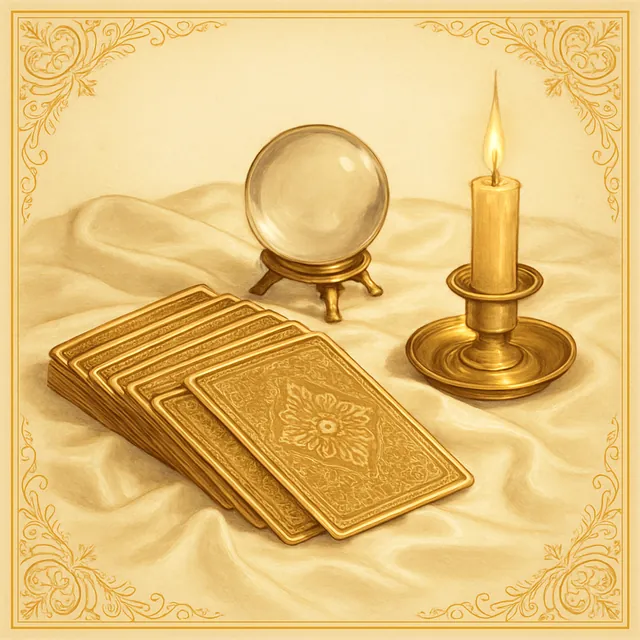
A fanned tarot deck beside a crystal ball and a lit brass candle

The deck

What is in a tarot deck?

The 78 cards divide into two groups, the Major Arcana and the Minor Arcana. “Arcana” means secrets.

Major Arcana · 22Minor Arcana · 56, in four suits of 14WandsCupsSwordsPentacles
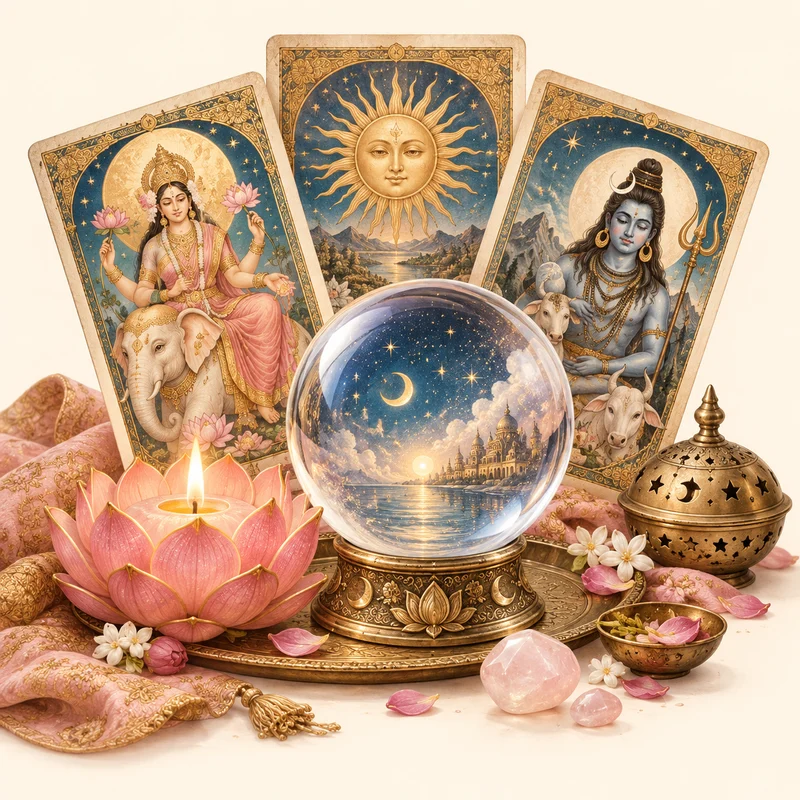
Three tarot cards with a crystal ball and a lit candle

The Major Arcana: life’s big themes

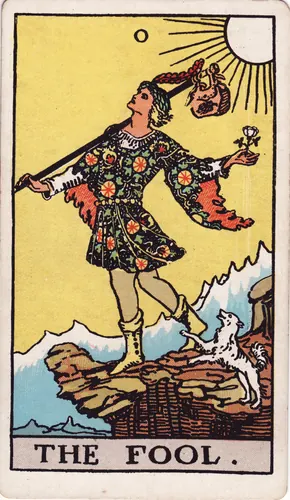
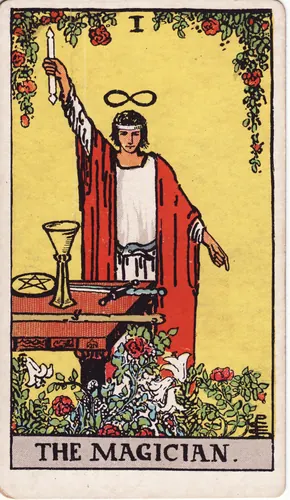
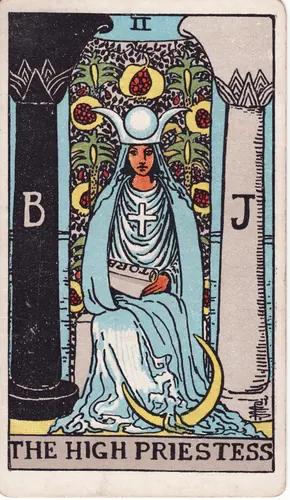
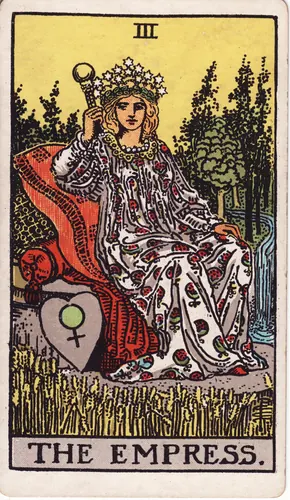
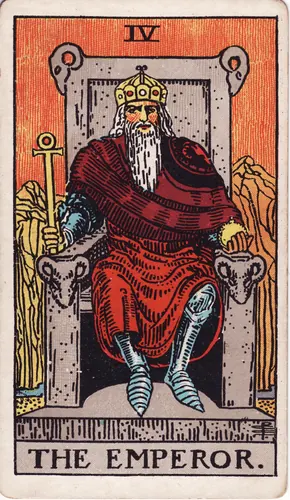
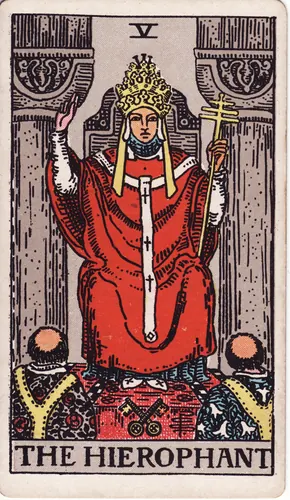
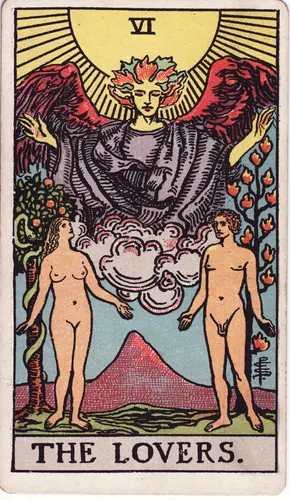
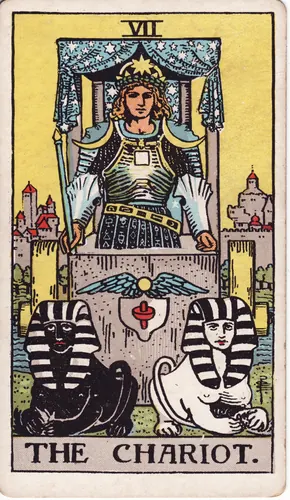
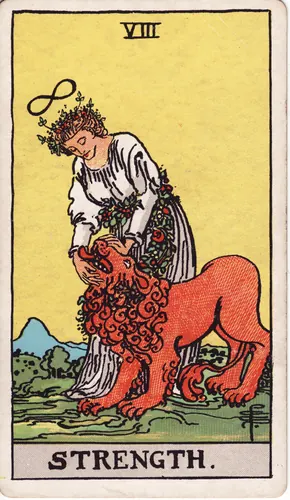
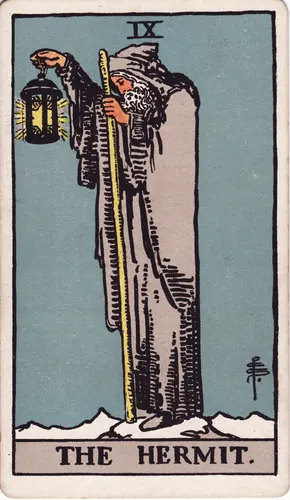
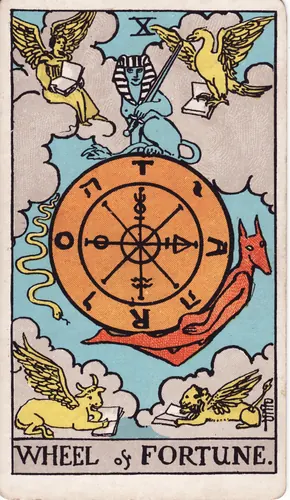
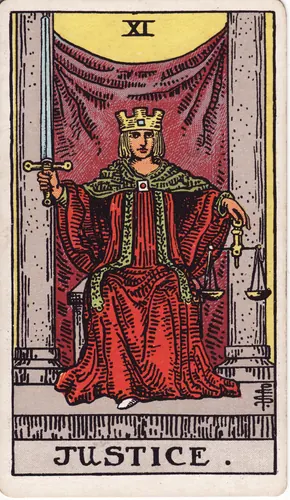
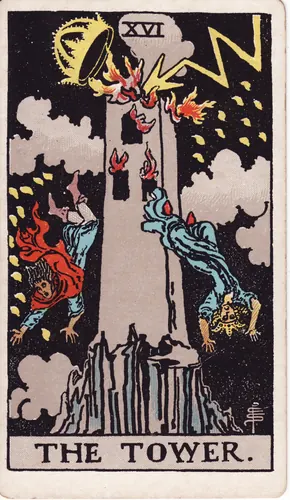
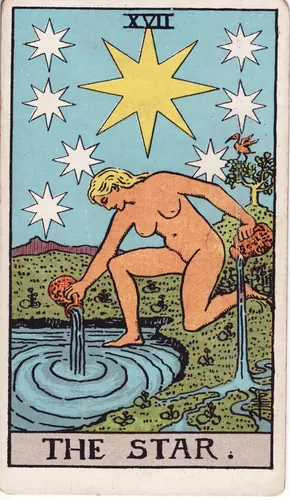
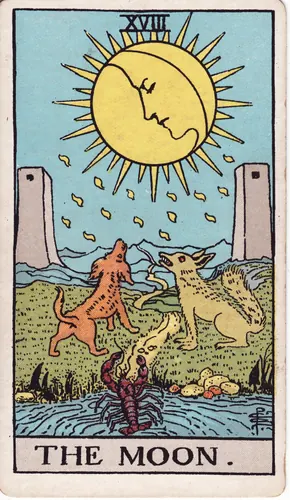
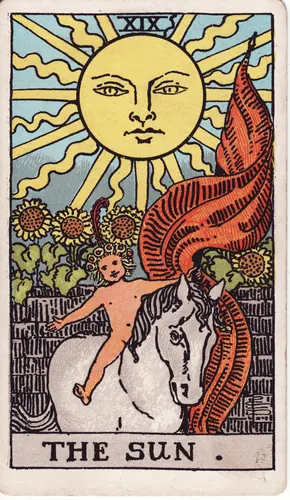
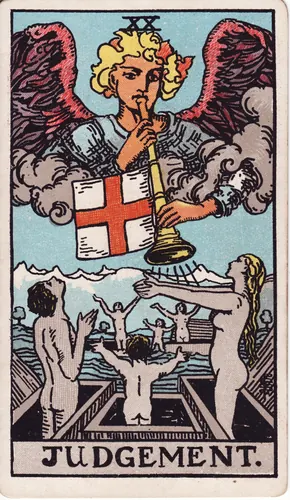
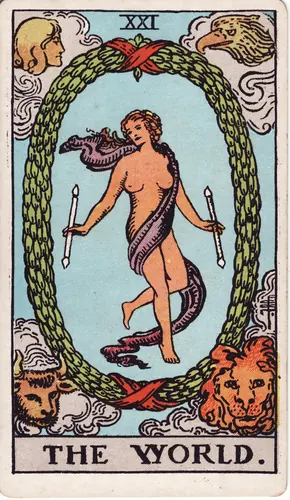
The 22 Major Arcana cards, numbered 0 to 21, show the great turning points and lessons of a life, often read as a journey that begins with The Fool and ends with The World. Among them are The Magician, The High Priestess, The Lovers, The Chariot, Strength, The Wheel of Fortune, Death, Temperance, The Tower, The Star, The Moon and The Sun.

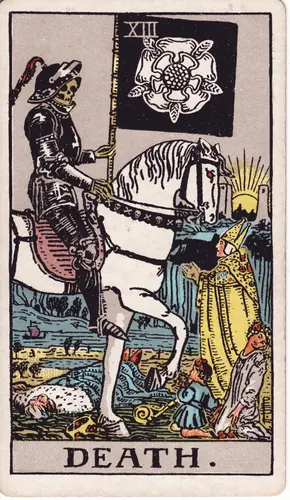
When a Major card appears, readers treat the theme as significant: something shaping the whole situation rather than a passing detail. Death, for example, is read as an ending that makes room for change, almost never as a literal death.

All 22 cards, each with its full meaning, are shown below this guide.
WandsfireCupswaterSwordsairPentaclesearth

The Minor Arcana: everyday life

The 56 Minor Arcana cards describe daily events, feelings and choices. They come in four suits of fourteen: ten numbered cards, Ace to Ten, and four court cards, Page, Knight, Queen and King.

  • Wands (fire): energy, ambition, creativity and work.

  • Cups (water): emotions, love, relationships and intuition.

  • Swords (air): thoughts, decisions, conflict and truth.

  • Pentacles (earth): money, the body, home and practical matters.

Tarot cards fanned beside a crystal ball and a candle on a lotus

Upright and reversed cards

A card can land upright or reversed, upside down. Many readers read a reversed card as its energy being blocked, delayed or turned inward; others do not use reversals at all. Ask your reader which approach they follow.

A reading

How a tarot reading works

A reading starts with a question, then a shuffle, then a spread. Each position in the spread has a meaning, and the reader interprets each card in its position and in relation to the others. These are the spreads you are most likely to meet:

  • One card: a single card for a focus, a theme for the day, or a quick reflection on one question.

  • Three cards: past, present and next step; or situation, obstacle and advice. The spread on this page uses three cards.

  • Relationship spread: one card each for you, the other person and the connection between you.

  • Yes or no: a single card read as leaning towards yes or no. Useful for a light question, but it leaves little room for nuance.

  • Celtic Cross: a ten-card spread for a detailed look at a situation, its roots, hopes and fears and the likely outcome.

PastPresentNext stepA three-card spread: each position has its own meaning

Getting the most from it

Asking a good question

The quality of a reading follows the quality of the question. Open questions give the cards room to say something useful:

  • Ask “what” and “how”: “What can I learn from this situation?” or “How can I improve things with my colleague?” opens more than “Will he call me?”

  • Keep the focus on you: questions about your own choices are more useful than questions about what someone else is thinking.

  • One question at a time: a clear, single question gives a clearer spread.

  • Keep the decision yours: tarot is not a substitute for medical, legal or financial advice, and no reading guarantees an outcome.

The three-card draw on this page uses a nine-card demo deck with Stella’s own reflection prompts: no reader or AI is answering live. For a personal reading, book a call or a chat with an astrologer who lists tarot among their specialisations.

Tarot cards and a crystal ball
✧ Interactive preview · Free to explore

Pause. Breathe. Choose a card.

Hold an open-ended question in mind. Reveal three cards from our nine-card demo deck.

Chat with Astrologer

Random card selection with prewritten reflections. The chat link opens a labelled demo and a route to our real astrologer roster.

Before you begin

Come as you are.
Bring a little context.

  • An open-ended question
  • A quiet moment without distractions
  • A willingness to consider a different perspective

Good questions

A little more clarity

Do I need birth details?

No. A tarot reflection starts with your question or intention.

Can I ask a yes-or-no question?

You can, but questions such as “What can I consider?” usually leave more room for useful reflection.

Who writes the demo reading?

These are original, prewritten Stella reflection prompts. The card selection happens in your browser; no astrologer or AI is replying live.

Some questions deserve a conversation.

Explore our astrologer profiles and find a guide for your next step.

Talk to Astrologer ↗
Tarot — Stella Astrology